

Get The Heat Back On In Your Raleigh Home In No Time
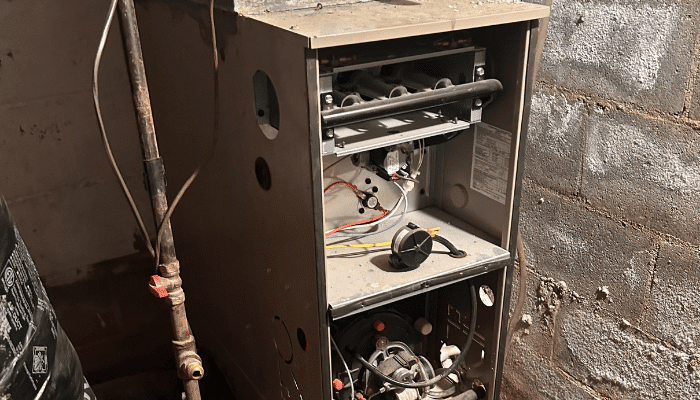
When your furnace stops working on a cold North Carolina night, you need reliable repair service you can count on. Dawson's Electric & Air has been fixing furnaces around Raleigh since 2005, and we understand how uncomfortable and even unsafe it can be when your heating system fails. Whether your furnace won't turn on, isn't producing enough heat, or is making strange noises, we diagnose problems quickly and get your heat back on.
If your furnace isn't working right, give us a call at 919-887-8284 or reach out online, and we'll take care of it!
What Are The Most Common Furnace Problems We Repair?
Furnaces can fail in many different ways, but certain issues come up more frequently than others. Here's what we see most often:
- Ignition Or Pilot Light Failures: Modern furnaces use electronic ignition systems instead of standing pilot lights, and when these fail, your furnace won't produce heat at all. Older furnaces with pilot lights can have the pilot go out due to drafts, thermocouple problems, or gas supply issues. Either way, ignition failures leave you without heat until they're fixed.
- Blower Motor Or Belt Problems: The blower motor pushes heated air through your ductwork, and when it fails, or the belt that drives it breaks or slips, you'll hear squealing noises or get no airflow at all. Blower motors can also have bearing failures that cause scraping or grinding sounds and require immediate attention to prevent further damage.
- Thermostat Malfunctions: Sometimes the furnace itself is fine, but the thermostat isn't communicating properly with the system. Dead batteries, incorrect settings, poor calibration, wiring problems, or a faulty thermostat can all prevent your furnace from heating properly, even though nothing is actually wrong with the heating equipment.
- Dirty Or Clogged Filters: When filters get clogged with dust and debris, airflow gets restricted, which forces your furnace to work much harder than it should. This causes reduced heating performance, higher energy bills, potential overheating, and can even cause the system to shut down as a safety measure.
- Cracked Heat Exchanger: This is one of the most serious and expensive furnace problems because a cracked heat exchanger can allow carbon monoxide to leak into your home. Cracks develop over time due to metal fatigue from repeated heating and cooling cycles, and when we find them, we typically recommend replacement rather than repair.
Why Is My Furnace Running But Not Heating My House?
This frustrating problem has several possible causes, and identifying the right one requires systematic troubleshooting. Here's what we look for:
- Thermostat Is Set Incorrectly: Before assuming something is broken, make sure your thermostat is set to "heat" mode rather than "cool" or "off," the temperature is set higher than the current room temperature, and the fan isn't set to "on" instead of "auto." These simple settings can make it seem like your furnace isn't working when it's actually operating as programmed.
- Gas Supply Problems: If your gas furnace has no heat, check that the gas valve feeding the furnace is fully open, verify that you haven't run out of propane if you use a tank, and make sure the pilot light or electronic ignition is actually lighting the burners. You should see flames when the furnace calls for heat.
- Dirty Burners Or Flame Sensor: When burners get covered with soot and debris, they can't burn gas efficiently, which reduces heat output significantly. A dirty flame sensor can cause the burners to light briefly, then shut off after a few seconds because the sensor can't detect the flame properly.
- Ductwork Problems Losing Heat: Leaky, disconnected, or poorly insulated ducts lose a tremendous amount of heat before it reaches your living spaces, especially if ducts run through unheated attics or crawlspaces. Even with the furnace running perfectly, you won't feel much heat if it's all escaping through the ductwork.
- System Is Undersized For Your Home: If your furnace runs constantly during cold weather but never quite reaches your desired temperature, it might simply be too small for your home's heating needs. This typically indicates a problem with the original installation rather than a repair issue.
If you're still shivering while your furnace is running - or it's gone completely kaput - give us a call at 919-887-8284 today!
Furnace Repair FAQs
A burning smell when you turn on your heat is usually caused by dust or dirt that has settled on your burners or heat strips over time. When the system heats up, this dust burns off, creating a temporary smell.
If the smell persists or seems stronger than normal, it could indicate another issue, so it’s a good idea to have a licensed HVAC technician check your system to make sure everything is safe and working properly.
Minor furnace repairs like replacing a thermostat, limit switch, or flame sensor typically cost $150 to $400. Mid-range repairs like blower motor replacement or ignition system repairs run $300 to $800. Major repairs like heat exchanger replacement can cost $1,200 to $2,500 or more. We diagnose the problem and provide upfront pricing before starting any work.
Different noises indicate different problems. Squealing usually means blower belt issues, scraping or grinding suggests bearing problems, banging can indicate delayed ignition or ductwork issues, and rumbling might mean burner problems. Any new or unusual noise warrants professional inspection to prevent minor problems from becoming major failures.
How Do I Know If My Furnace Needs Repair Or Replacement?
Deciding between repair and replacement is one of the most important decisions furnace owners face. Here's how to evaluate your situation:
- Age Of The System Is Critical: If your furnace is less than 10 years old, repair usually makes financial sense unless you're facing catastrophic failure like a cracked heat exchanger. Furnaces over 15 years old that need significant repairs are typically better candidates for replacement since they're approaching the end of their expected 15-20 year lifespan.
- Cost Of Repair Versus Replacement: A useful guideline is to multiply the repair cost by your furnace's age. If that number exceeds the cost of a new system, replacement is probably smarter. For example, a $600 repair on a 12-year-old furnace equals $7,200, which exceeds replacement cost and suggests you should replace.
- Frequency Of Repairs Matters: If you're calling for furnace repairs multiple times per heating season, those costs add up quickly and indicate your system is declining. At some point, you're throwing good money after bad, trying to keep an old furnace limping along.
- Rising Energy Bills Without Usage Changes: Older furnaces lose efficiency as components wear out, which means they use more gas to produce the same amount of heat. If your winter heating bills have been climbing despite similar usage patterns, your furnace is costing you extra money every month.
- Safety Concerns Can't Be Ignored: Issues like cracked heat exchangers that risk carbon monoxide leaks should never be ignored or temporarily patched. Your family's safety is more important than the cost of a new furnace, and some problems simply can't be safely repaired.
What Should I Do If My Furnace Stops Working Completely?
When your heat goes out completely, there are several things you can check yourself before calling for service. Here's what to do:
- Check Your Thermostat First: Verify the thermostat is set to "heat" mode and the temperature setting is at least five degrees higher than the current room temperature. Replace batteries if it's battery-powered and make sure the display is working. Sometimes the simplest solution is the right one.
- Look At Your Circuit Breakers: Your furnace has a circuit breaker at the main electrical panel, and some furnaces also have a separate power switch that looks like a light switch near the unit. Make sure the breaker hasn't tripped and the power switch hasn't been accidentally turned off.
- Check Your Air Filter: A severely clogged filter can cause modern furnaces to shut down as a safety measure to prevent overheating. If your filter is completely blocked with dust and debris, replacing it might be all you need to get your furnace running again.
- Make Sure Vents Are Open: Walk through your home and ensure supply and return vents aren't blocked by furniture, rugs, or closed registers. Blocked airflow can cause the furnace to overheat and shut down for safety reasons.
- Don't Wait Too Long To Call For Help: If basic checks don't solve the problem, call for professional service rather than letting your home get dangerously cold. Some problems get worse if the system keeps trying to run while something is wrong, and frozen pipes can cost you thousands in damage.
Dawson's Electric Keeps You Cozy
When your furnace breaks down, Dawson's Electric & Air responds quickly to restore heat to your home. We've earned our reputation around Raleigh for fast, honest furnace repairs that solve the problem right the first time.
Our technicians arrive with fully stocked trucks, diagnose issues efficiently, and explain your options clearly so you can make informed decisions about your comfort and safety.
Ready to get your HVAC fixed?
Call us at 919-887-8284 or reach out online to schedule your furnace repair.