

Electric vehicles are becoming common throughout the Triangle and Wake County.
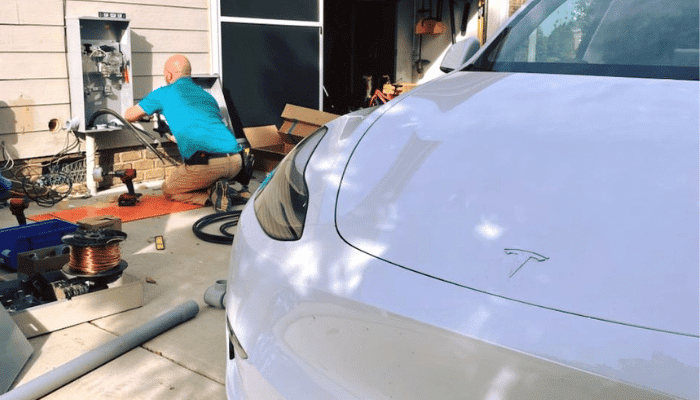
I’m Travis Dawson, owner of Dawson's Electric & Air. My team and I have helped homeowners in communities like South Lakes, MacGregor Downs, Bella Casa, 12 Oaks, Portofino, and Lochmere install Level 2 EV chargers safely and efficiently. If you're considering an EV, here is what you need to know about getting your home ready.
While home EV charging offers unmatched convenience, installing an EV charger isn't as simple as plugging into an existing outlet. Before installation begins, your home's electrical system should be evaluated to ensure it can safely support the additional electrical demand. Here’s what homeowners should know before installing an EV charger at home.
Start with an Electrical Safety Inspection
At Dawson's Electric & Air, our electricians perform a comprehensive electrical safety inspection before recommending any EV charger installation. This helps us identify potential issues and provide homeowners with the safest and most cost-effective solution. Your electrician will evaluate the overall health and safety of your home’s electrical system, as well as check your existing panel, available breaker space, the age and condition of your electrical system, current household electrical usage, and identify the location for the new EV charger.
Doing this inspection first helps identify any upgrades that may be necessary before installation.
Why Does an EV Charger Need a Dedicated Circuit?
EV chargers draw a significant amount of electricity — especially Level 2 chargers, which operate on 240 volts and can fully charge most vehicles overnight. Because of this, they must be installed on their own dedicated circuit.
A dedicated circuit serves only the EV charger. It isn't shared with lights, outlets, appliances, or anything else in your home. That separation prevents overloaded circuits and nuisance breaker trips, delivers consistent charging performance, protects your home's electrical system from overheating, and keeps the installation compliant with current National Electrical Code (NEC) requirements.
The size of the dedicated circuit depends on the charger you select and its power requirements. Your electrician will determine the appropriate circuit size and wiring during the installation process.
How Should I Choose the Right EV Charger for My Home?
Once your electrical system checks out, the next step is choosing the right charger for your vehicle and driving habits. Most homeowners opt for a Level 2 charger because it charges dramatically faster than the Level 1 cord that came with the vehicle. From there, you generally have two options:
Supply Your Own EV Charger
Many vehicle manufacturers recommend specific chargers for their vehicles. You can purchase one directly from the manufacturer or a trusted retailer, then hire a licensed electrician to install it. If you go this route, verify that the charger is compatible with your vehicle and that your home's electrical system can support its power requirements before you buy.
Have Your Electrician Supply the Charger
Many electrical contractors can recommend and provide an EV charger based on your vehicle, driving habits, and budget. This option can simplify the process since your electrician can help ensure you're selecting a charger that is compatible with your vehicle and appropriate for your home's electrical capacity.
In some cases, purchasing the charger through your electrical contractor may also streamline warranty support and installation.
No matter which option you choose, it's important to consult with your electrician before purchasing a charger. They can help you select the right model, determine the proper circuit size, and ensure the installation meets all applicable electrical codes and manufacturer requirements.
Do I Need a Permit for EV Charger Installation in Raleigh?
Yes, a permit is required for EV charger installation, and any licensed electrical contractor should obtain the proper permit before work begins. If a contractor suggests skipping the permitting process, that's a red flag and may indicate the installation is not being completed according to local electrical codes.
Permits are an important part of ensuring your EV charger is installed safely and correctly. They help verify that:
- The installation complies with local electrical codes
- The work is properly inspected by the local authority having jurisdiction
- The electrical system can safely support the new charger
- The installation meets current safety standards
Permit costs typically range from $149 to $300, depending on the type of permit required and the city or county where the work is performed. Requirements and fees can vary between jurisdictions.
The good news: your electrical contractor should handle the entire permitting process for you — application, inspections, and final approvals. At Dawson's, we take care of all of it.
What Does EV Charger Installation Cost in the Raleigh Area?
We believe in being upfront about costs. Every home is different, but for homes with adequate electrical capacity, a Level 2 EV charger installation typically ranges from $1,500 to $3,500.
- Standard Level 2 Installation: Generally ranges from $1,500 to $3,500, depending on electrical system capacity and distance to the panel.
- Panel Upgrades: If your home requires a service upgrade to safely support the new load, these costs will vary based on your specific requirements.
For a precise quote tailored to your home's unique layout and electrical health, we recommend scheduling an estimate. You can also view our Electrical Pricing Guide for more details.
How Long Does Installation Take?
Most standard EV charger installations are completed in a single day. If your home needs a panel upgrade or more complex wiring, the project may take longer — but you'll get a clear timeline during your initial consultation, before any work begins.
Ready to Install an EV Charger in the Raleigh Area?
Installing an EV charger starts with understanding your home's electrical capacity. A professional inspection, load calculation, dedicated circuit, and proper permitting ensure your charger operates safely and reliably for years to come.
We install professional EV chargers in Raleigh, Clayton, Fuquay-Varina, and the surrounding areas.
Call Dawson's Electric & Air today at 919-887-8284 to request an estimate for your home electrical service installation.
FAQs About EV Charger Installation in Raleigh
EV charger installation costs typically range from $1,500 to $3,500 for a standard Level 2 installation, depending on your electrical system's existing capacity, the distance from your panel to the charger, and permit fees. Because costs vary based on your home's specific needs, scheduling a professional estimate with our team is the most accurate way to determine your total investment.n
Yes, a permit is required for EV charger installations in the Raleigh area to ensure your system meets safety and local electrical codes. As a licensed electrical contractor, the team at Dawson's Electric & Air handles the entire permitting and inspection process for you to ensure everything is code-compliant and safe.n
Most standard EV charger installations can be completed in a single day. If your home requires additional electrical panel upgrades or complex wiring, the project may take slightly longer, but our team will provide a clear timeline during your initial consultation.n
The cord that comes with most EVs (Level 1) plugs into a standard outlet, but it can take 40+ hours to fully charge a vehicle. A Level 2 charger requires a dedicated 240-volt circuit installed by a licensed electrician — it cannot safely share an existing circuit with other devices.
A local contractor like Dawson's Electric & Air understands the specific infrastructure of our area's homes — from older houses in established Raleigh neighborhoods to newer developments in Holly Springs and Apex. You get personalized service, deep familiarity with local code requirements, and long-term support that national chains often can't match.n