

How Long Do Electrical Outlets Last? A Raleigh Homeowner's Guide
Do you have outlets in your home that spark, smoke, or simply stop working? Whether you're living in a new construction or an older home in Boylan Heights in Raleigh or Sunset Ridge in Holly Springs, your electrical outlets are the workhorses of your daily life. But like any appliance, they have a limited lifespan. Knowing when to upgrade is essential for preventing electrical hazards and keeping your family safe. In this guide, we break down exactly how long you can expect your electrical outlets to last and the clear signs that it's time to call in a professional for a replacement.
How Long Do Electrical Outlets Actually Last?
If you're living here in Fuquay-Varina or surrounding areas, you know our electrical systems have their work cut out for them. Between the North Carolina humidity and our HVAC systems running non-stop, your outlets are under a lot of pressure. It's not just about the age of the house; it's about how much we're asking for our home's wiring every single day. Think of it like tires on a car, the more you drive, the faster they wear out.
Key factors that influence the lifespan of your outlets include:
- Frequency of Use: Think of this as the "wear and tear" factor. Every time you plug something in, those little metal contacts inside the outlet have to stretch. Do that thousands of times over a decade, and eventually, they get loose. A loose contact creates heat, and heat is the biggest enemy of any electrical connection.
- Outlet Quality: Let's be honest, not all outlets are built the same. Many homes are finished with "builder-grade" outlets; they're functional for a few years, but they aren't exactly built to last a lifetime. Upgrading to professional-grade outlets means getting thicker internal materials that can actually stand up to the daily grind.
- Electrical Load: We're asking a lot more from our homes today than we did ten or twenty years ago. Between work-from-home office setups, high-powered gaming PCs, and high-draw kitchen appliances, we're pushing outlets to their limits. That constant, heavy power draw creates heat, which ages the components inside much faster than normal usage ever would.
- Environmental Conditions: Since we're here in North Carolina, we can't ignore the humidity. That moisture in the air can lead to slow, steady oxidation on the metal components inside your electrical system. Over time, that "invisible" corrosion makes your outlets less reliable and more prone to failing early.
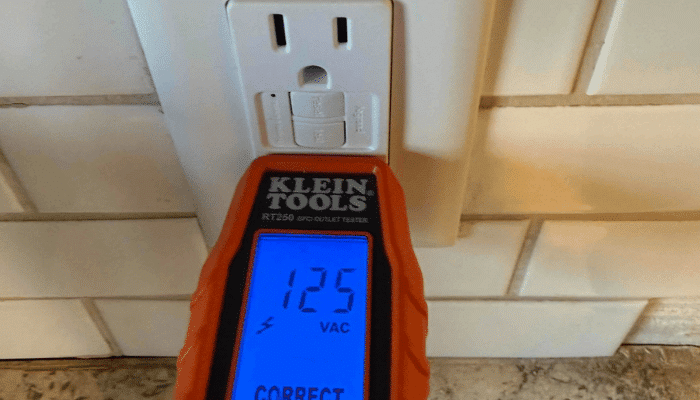
Usually, you can expect standard outlets in our area to last somewhere between 15 and 25 years. But if you have an outlet that gets plugged and unplugged constantly, it might start acting up in as little as 10 years because the little springs inside just get tired. While standard outlets typically last 15 to 25 years, GFCI (Ground-Fault Circuit Interrupter) outlets, recognized by their 'test' and 'reset' buttons, deserve special attention. Because these devices contain sensitive internal circuitry designed to cut power instantly when a ground fault is detected, they are crucial for safety in moisture-prone areas like kitchens, bathrooms, and garages. It's important to note that these internal components can be more sensitive to power surges than standard outlets, which may impact their reliability over time. We always advise homeowners to press the 'test' button annually to ensure the mechanism is still functioning properly, and to treat them as a high-priority item during your regular electrical inspections.
Paying for regular, whole-home electrical safety inspections is an easy way to stay up to date with the condition of your outlets. At Dawson's Electric & Air, we offer this inspection annually with our Peace of Mind Club.
What Causes Electrical Outlets to Fail Early?
While age plays a role, premature failure is often the result of improper installation or daily habits. Poor workmanship is a primary culprit. For example, "backstabbing" (pushing wires into the back of an outlet rather than securing them to the screw terminals), creates a weak connection that can lead to overheating. Additionally, using incompatible materials, such as pairing copper wiring with aluminum-rated outlets, can cause dangerous interactions.
Beyond installation issues, everyday use also takes its toll:
- Overloading Circuits: Plugging too many high-draw appliances into a single outlet, or "daisy-chaining" multiple power strips, creates excessive heat that wears down internal contacts quickly.
- Physical Abuse: Yanking cords out of the wall instead of gripping the plug puts strain on the device, gradually loosening the outlet's internal grip over time.
- Loose Terminal Connections: Over many years, the natural expansion and contraction of wires due to heat, or even subtle house vibrations, can cause the wiring to loosen at the screw terminals, leading to arcing and connection failures.
Mistakes like these aren't just costly for homeowners; they also greatly increase the risk of electrical fires.
5 Signs It's Time to Replace Your Home's Outlets
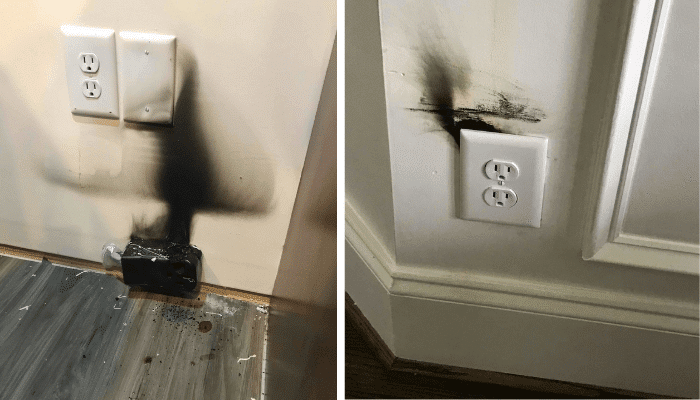
Whether due to aging, daily wear, or outdated electrical standards, your outlets will eventually need an upgrade. Recently, our team responded to a home in Willow Spring where an electrical outlet had caught fire, highlighting just how important it is to recognize the warning signs before a small outlet problem becomes a serious safety hazard. Keep an eye out for these five major warning signs:
- Visible Damage: If an outlet is cracked, chipped, or shows structural damage, the internal components are likely compromised.
- Burn or Singe Marks: Any discoloration on the face of the outlet or the wall surrounding it indicates that excess heat is being generated, which is a major fire risk.
- Burning Smell: If you detect a white, sweet, or acrid smoke coming from the prong holes, turn off the breaker immediately and call a professional. This is a critical indicator of melting plastic or fried components.
- Frequent Sparking or Noise: While a tiny pop is sometimes normal, consistent snapping, sizzling, or visible sparks indicate arcing, a dangerous condition that needs immediate attention.
- Loose Plugs: If your plugs feel loose, wiggle, or fall out of the socket easily, the internal metal contacts have lost their tension. This not only makes for a frustrating user experience but also increases the risk of arcing and overheating.
Is Your Home Running on Outdated Tech?
Beyond specific damage, your outlets may simply be reaching the end of their functional life if they haven't kept pace with modern safety standards:
- Two-Pronged Outlets: If your home still relies on two-pronged outlets, they lack the essential grounding wire needed to safely dissipate excess current, putting both you and your electronics at risk.
- Non-Polarized Outlets: Modern outlets are "polarized," meaning one slot is slightly larger than the other to ensure plugs only go in the correct way. Older, non-polarized outlets don't offer this safety feature, which can be dangerous for modern appliances.
If you spot any of these warning signs or are still living with outdated two-pronged or non-polarized outlets, it's time to call for a professional for an electrical safety inspection and potential upgrade.
Is It Better to Replace All Outlets at Once?
If your home's outlets are nearing or exceeding the 20-year mark, or if you are noticing recurring issues, replacing them all at once is often the most cost-effective and safest approach. While individual outlets can be replaced as they fail, upgrading the entire system ensures consistent reliability and brings your home up to modern safety standards.
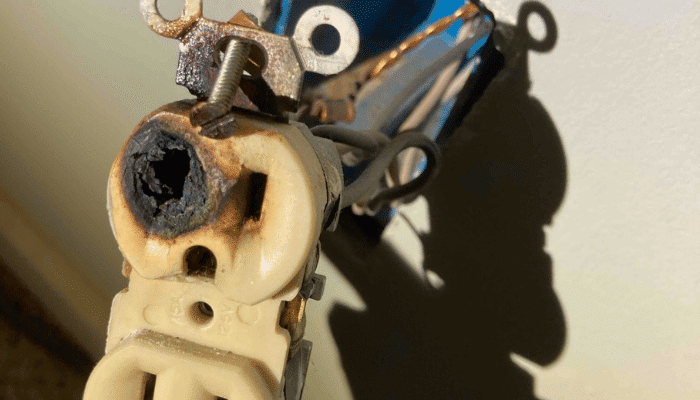
We recently visited a home in Fuquay-Varina where an electrical heater plugged into an outlet had caused the outlet to catch fire. After seeing the damage, the homeowner wanted to have all of the home's outlets inspected to determine which ones should be replaced. Situations like this are a good reminder that an outlet problem may not always be isolated. A professional inspection can help identify worn, damaged, or improperly installed outlets throughout the home before they become a larger safety concern.
If your home is newer but a single, high-use outlet has failed, consult a professional to diagnose the cause. A single failure in a newer home might indicate an installation error, an overloaded circuit, or an issue with the connected appliance rather than failing hardware. In those cases, a targeted repair or replacement of only the affected outlets may be all that is needed.
Frequently Asked Questions About Outlet Safety
At Dawson’s, we recommend scheduling a whole-house electrical safety inspection once a year to ensure your system remains safe and functional.
While some DIY tasks are possible, it is always best to hire a licensed electrician to ensure professional code compliance and the highest level of safety for your home.
Sparking outlets are a serious safety concern. If you notice this, advise an immediate professional inspection as a safety precaution to prevent potential electrical fires.
Why Choose Dawson's Electric & Air for Your Fuquay-Varina Home?
With years of local experience, Dawson's Electric & Air is dedicated to the safety and comfort of Fuquay-Varina families. Our commitment to professional excellence ensures your home's electrical system is in expert hands. Visit our booking and contact page to schedule your service today.
Next Steps for Your Electrical Safety
Your home's electrical outlets are essential components that have a finite lifespan, typically lasting between 15 and 25 years. To keep your family safe, it is critical to stay vigilant and watch for warning signs of failure, such as burning smells, visible damage, or loose-fitting plugs. Whether you are dealing with specific signs of wear or simply living with an outdated electrical system, upgrading is the best way to ensure modern safety and performance. Don't leave your home's safety to chance, contact Dawson's Electric & Air 919-887-8284 today to schedule a professional safety inspection or to learn more about our comprehensive electrical services.