

Most homeowners never think twice about their electrical outlets until something goes wrong — a charger that takes forever, a plug that feels loose, or an outlet that quietly stops working. But outlets are among the most-used pieces of infrastructure in any home, and the ones builders installed years ago often don't match how we live today. Between charging a half-dozen devices, powering modern kitchens, and adding things like EV chargers, the demands on a home's wiring have outpaced the outlets.
The good news is that upgrading outlets is one of the most affordable, high-impact electrical improvements you can make. Here's a homeowner's guide to the outlet types worth knowing about, what each one solves, and when North Carolina code or plain common sense says it's time to make the switch. If you'd rather skip straight to a quote, Dawson's Electric & Air installs and replaces all outlet types listed below across the Raleigh-Durham Triangle — see our outlet installation services for details.
1. GFCI Outlets: Shock Protection Where Water Is Nearby
A GFCI (ground fault circuit interrupter) outlet constantly monitors the current flowing through it and cuts power in a fraction of a second if it detects electricity straying off its intended path — for example, through water or through you. They're the single most important safety outlet in any home.
In North Carolina, code requires GFCI protection anywhere water and electricity might meet: kitchens, bathrooms, laundry rooms, garages, unfinished basements, crawl spaces, and every outdoor receptacle. That last category matters more here than people realize. Triangle summers are humid, afternoon storms are routine, and exterior outlets on patios and porches take a real beating — which is exactly why they need both GFCI protection and a weather-resistant rating. One practical note: most GFCIs sold today are "self-testing," meaning they automatically check their own circuitry. Older GFCIs don't, so if yours is more than a decade old and you've never hit the test button, it's worth having it checked. If you're unsure where your home does and doesn't have GFCI coverage, our outlet installation team maps it out room by room.
2. AFCI Outlets: The Fire-Prevention Outlet Most Lists Skip
If GFCIs protect people from electric shock, AFCI (arc-fault circuit interrupter) outlets protect the house from fire — and they're the upgrade most homeowners have never heard of. An arc fault is the dangerous sparking that happens when wiring is damaged, a connection works loose, or a cord gets pinched behind furniture. That arcing can smolder inside a wall for a long time before it ignites. AFCI devices detect that signature and shut the circuit down.
North Carolina code now requires arc-fault protection in most living spaces — bedrooms, living rooms, hallways, and similar areas where a hidden fault could go unnoticed. In many older Raleigh and Cary homes, that protection simply isn't there because it wasn't required when the house was wired. Adding it, whether through AFCI outlets or breakers, is one of the most meaningful safety upgrades available, and it pairs naturally with any electrical panel work you may already be considering.
3. Two-Prong to Grounded: A Very Common Older-Home Problem
Plenty of homes built across the Triangle before grounding became standard still have two-prong outlets, and they create a real dilemma. You can't safely solve the problem by simply swapping in a three-prong outlet — without an actual ground wire behind it, that three-prong receptacle is giving you a false sense of safety and no real protection for sensitive electronics.
There are correct, code-compliant ways to fix this: installing a GFCI outlet (which is permitted to protect ungrounded circuits), running new grounded wiring, or addressing it as part of a larger rewiring project. Which path makes sense depends on what's actually behind your walls, and that's something a licensed electrician needs to verify before any work begins — not something to guess at.
4. USB Outlets: Charging Without the Wall-Wart Hunt
USB outlets combine a standard receptacle with built-in USB ports, so phones, tablets, and earbuds charge directly from the wall with no adapter. They're a small change that pays off daily in kitchens, bedrooms, home offices, and entryways. Modern versions include both USB-A and the faster USB-C ports, and they install cleanly on the GFCI-protected circuits that kitchens and bathrooms require. It's worth using quality hardware here — bargain USB outlets occasionally cause nuisance tripping on sensitive circuits.
5. Smart and Wi-Fi Outlets: Control From Anywhere
Smart outlets let you switch power on and off from your phone or a voice assistant, set schedules, and monitor energy use. They're genuinely useful for lamps, holiday lighting, space heaters you want to make sure are off, and window AC units. For Triangle homeowners watching summer energy bills climb, scheduling and remote control of the highest-draw plug-in loads is a small but real lever. They work best as part of a sensible plan rather than scattered around — our team can help you decide where automation actually earns its keep.
6. Recessed Outlets: Flush, Clean, and Out of the Way
Recessed outlets sit slightly back into the wall so a plug doesn't protrude. For wall-mounted TVs, this lets the set sit flat against the wall with the cord hidden. They're also a smart choice behind furniture, where a standard protruding plug can be damaged when a couch or bookshelf is pushed back against it.
7. Tamper-Resistant Outlets: Standard Protection for Households With Kids
Tamper-resistant outlets have spring-loaded internal shutters that only open when a plug is inserted evenly across both slots, blocking the single-object insertions that cause thousands of childhood shock and burn injuries every year. They're now the standard for new receptacles in living areas, and they're an easy, inexpensive upgrade well worth making in any home with small children.
8. Weather-Resistant Outdoor Outlets: Built for Carolina Weather
Outdoor outlets need to be weather-resistant and paired with an "in-use" weatherproof cover that shields the receptacle even with something plugged in. Given the Triangle's humidity, pollen, and frequent summer thunderstorms, this isn't a nicety — it's what keeps moisture out of a live circuit. Because those same storms drive power surges, exterior and whole-home surge protection is a natural companion upgrade for protecting everything plugged in around the house.
9. 20-Amp Outlets and Dedicated Circuits: When You Need More Power
Not every outlet problem is the outlet — sometimes it's the circuit feeding it. High-draw appliances like microwaves, window units, space heaters, and shop tools can overwhelm a standard 15-amp circuit, leading to repeated breaker trips. The fix is often a 20-amp outlet on a dedicated circuit. If you're regularly resetting breakers or running extension cords to reach enough power, that's a signal the circuit, not just the receptacle, needs attention — and possibly a look at the electrical panel itself.
Why Outlet Work in NC Belongs With a Licensed Electrician
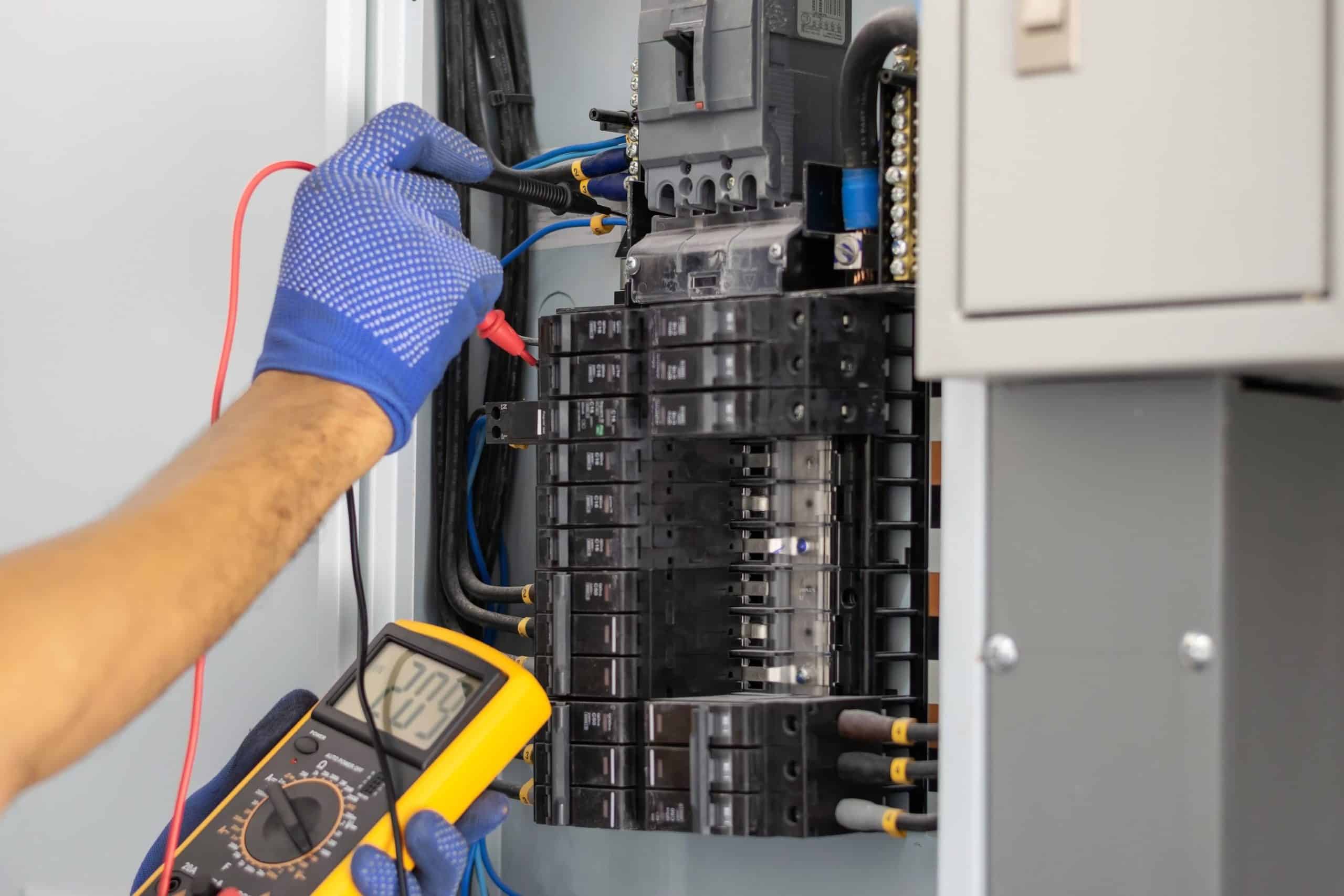
Swapping an outlet looks simple on a video, but in North Carolina much of this work is governed by code and, for anything beyond a like-for-like replacement, may require a permit and inspection. Grounding, AFCI and GFCI placement, and circuit sizing all have specific requirements, and getting them wrong isn't just a failed inspection — it's a genuine safety risk. A licensed electrician makes sure every upgrade is done correctly the first time and stands behind the work.
Dawson's Electric & Air has been upgrading outlets for homeowners across Raleigh, Cary, Apex, Holly Springs, Fuquay-Varina, Garner, and the surrounding Triangle communities since 2005, with upfront written pricing and no surprises. Ready to modernize the outlets in your home? Contact us online or call to schedule your visit.
A straightforward like-for-like outlet replacement generally doesn't, but adding new outlets, new circuits, or changing how a circuit is protected often requires a permit and inspection. A licensed electrician will know what your specific project needs and handle the permitting for you.
The simplest way is a professional evaluation. An electrician can check which circuits are protected, identify gaps that don't meet current code, and prioritize the upgrades that matter most for safety — especially in older Triangle homes wired before these rules existed.
They won't transform your bill on their own, but scheduling and remotely shutting off high-draw plug-in loads — space heaters, window units, and the like — gives you control you didn't have before. They're most effective as one part of a broader approach to summer energy use.
A warm, discolored, or buzzing outlet is a warning sign of a loose connection or an overloaded circuit and should be looked at promptly by a licensed electrician. These are exactly the conditions that can lead to arcing and, eventually, a fire.