

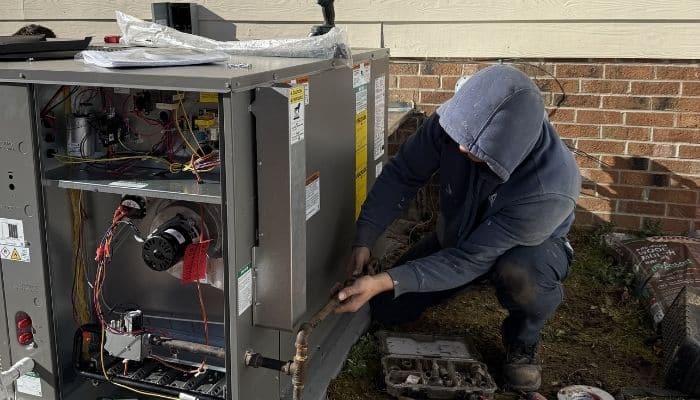
Summer in the Triangle has a way of finding the weak point in an aging HVAC system. If yours has been falling behind during heat waves, the smartest time to replace it is before the worst of the season arrives, not in the middle of a July breakdown. Spring is when you have the most leverage: open schedules, better pricing, and time to choose the right system without pressure.
Here's why getting ahead of summer pays off, what a new system typically costs around Raleigh, and how to decide whether it's time.
Beat the summer rush
The biggest advantage of replacing your system in spring is simple: you beat peak demand. Once temperatures climb, HVAC companies fill up fast with emergency repairs and last-minute replacements. Homeowners who wait until June, July, or August run into longer waits, fewer scheduling options, and the stress of a system failing during extreme heat.
Plan ahead and you get to pick an installation date that fits your life, with faster turnaround and a more thorough, unhurried install instead of a scramble. You also skip the worst-case scenario entirely: sweating through the hottest stretch of the year waiting on emergency service. In the Raleigh area, where humidity and heat push older systems hard, replacing ahead of time is what keeps a home reliably cool all season.
Take advantage of preseason pricing
Upgrading in spring tends to cost less than waiting for peak summer. During the preseason, manufacturers and contractors often run limited-time offers — things like 0% financing, rebates on high-efficiency systems, trade-in credits, and seasonal discounts on replacement. Once demand spikes, those deals tend to dry up, leaving fewer options and higher out-of-pocket costs.
The timing penalty is real and measurable: in the Triangle, peak summer demand from June through August can push labor costs and scheduling times up, and emergency after-hours calls during that window can carry a premium of 35% or more over standard rates. Planning early lets you capture preseason value and avoid that surcharge.
Not sure whether you're at the replace-or-repair line yet? A professional inspection or precision tune-up is a smart first step. A technician can assess your system's overall health, flag developing issues, and help you weigh whether a repair or a full replacement is the more cost-effective move.
What a new HVAC system costs in the Triangle
Cost is usually the first question. Here are our typical installed ranges for the Raleigh area — every home is different, but these give you a realistic starting point:
- Heat pump installation: $8,500–$27,000, from a straightforward system to a high-efficiency modern setup.
- Central AC installation: $8,500–$27,000, sized right for your home and efficiency goals.
- Furnace / heating system installation: $4,000–$12,000, whether replacing an old unit or adding heat to a new space.
- Ductless mini-split installation: $5,500–$8,500 for cooling and heating a room or addition without ductwork.
One thing worth knowing before you compare quotes: a low base price from another company often isn't the real price. Code-required components, refrigerant, and haul-away fees get added once they're already in your home. Our quotes are all-in from the start — new equipment, electrical connections, removal and disposal of the old system, refrigerant, startup testing, and every code upgrade included, with no add-ons at the door.
Ranges vary with home size, system type, efficiency, and ductwork condition. For a number tied to your actual home — at no charge — see our full HVAC pricing guide or book an in-home assessment.
Rebates and financing can lower the number
Depending on the equipment and your household, a few programs can take real money off the top:
- Energy Saver NC. For income-eligible households, this state program offers up to $8,000 toward a qualifying ENERGY STAR heat pump, with the amount tied to household income. See current details on the official Energy Saver NC site.
- Duke Energy HVAC rebates. Duke offers rebates of up to $1,000 on qualifying heating and cooling upgrades, generally for ducted central equipment.
- Financing. Preseason is also when 0% and low-rate financing offers tend to be available, spreading the cost into manageable monthly payments.
Rebate amounts and eligibility change often — the links go to the official program pages so you can confirm what's current. We're glad to tell you exactly what your project qualifies for.
Give yourself room to choose the right system
A new HVAC system isn't a decision to rush. It shapes your home's comfort, energy use, and air quality every single day, so the fit matters. Starting in spring gives you time to talk with a professional, compare efficient models, line up financing, and make a confident call, rather than grabbing whatever's available the day your old unit quits. If you're still weighing system types, our guide to choosing the best HVAC system for your home is a good place to start.
Why HVAC pros recommend upgrading before summer
Ask most technicians and they'll point to the same window. Milder weather, open availability, and preseason pricing all line up in spring, so you're planning on your terms instead of reacting to a failure in peak heat. Getting on the schedule early is what lets you explore options, secure better pricing, and have your home ready before the first real heat wave.
Don't wait until it breaks
Replacing your system ahead of summer puts you in control: better scheduling, potential savings, and dependable comfort when you need it most. Whether your unit is aging, struggling to keep up, or quietly driving up your energy bills, getting ahead of the heat beats waiting for it to fail on the hottest day of the year.
Ready to plan your upgrade?
Get on the schedule before the summer rush. We'll assess your current system, walk you through options and financing, and give you a real number for your home. Call 919-887-8284 to schedule your HVAC consultation, or reach out online.
Keep reading
- Which HVAC system is best for your home? — compare your options
- HVAC pricing guide — all-in pricing for the Triangle, no surprises
- AC installation in Raleigh — what a professional install includes
- AC maintenance in Raleigh — extend the life of your current system