

What Electrical Problems Show Up Most During Home Inspections?
If you are buying or selling a home in Raleigh, Fuquay-Varina, Holly Springs, Apex, Garner, Angier, or the surrounding Triangle area, electrical issues are some of the most common problems that show up during the home inspection process. And honestly, many of the same issues appear over and over again.
Most homes do not deal with one major electrical failure. What we usually see is years of small repairs, aging equipment, outdated safety devices, handyman work, DIY projects, and partial upgrades that slowly add up over time.
A home may look completely updated on the surface, but once someone starts opening electrical panels, testing safety devices, or evaluating the wiring more closely, the story can change quickly.
At Dawson’s Electric & Air, we regularly work with homeowners, buyers, sellers, and realtors throughout the Raleigh area to correct electrical issues found during home inspections. Some findings are relatively minor and straightforward to repair, while others can point toward larger concerns with the overall condition of the electrical system.
Here are some of the most common electrical problems we continue seeing during home inspections throughout the Triangle area.
1. Missing or Non-Working GFCI & AFCI Protection
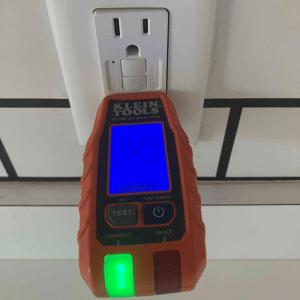
This is probably the most common electrical issue found during home inspections. Most homeowners have heard of GFCI outlets, but many do not fully understand what they do or where they are required. GFCI (Ground Fault Circuit Interrupter) protection helps prevent electrical shock in areas where water may be present.
These outlets are typically required in:
- Bathrooms
- Kitchens
- Garages
- Laundry rooms
- Basements
- Crawl spaces
- Exterior outlets
- Within 6 feet of sinks
In older homes around Raleigh and the surrounding area, it is very common to find missing GFCI protection or outlets that no longer function properly when tested.
Many homes built before the 1990s were not originally designed with these safety requirements. Over time, homeowners often update portions of the system without upgrading everything, which can create a mix of older wiring and newer devices that may not be installed correctly anymore.
We also regularly see issues involving AFCI breakers in newer homes.
AFCI (Arc Fault Circuit Interrupter) protection is designed to help prevent electrical fires caused by dangerous electrical arcing within the wiring system. One of the biggest misconceptions homeowners have is assuming these breakers are “bad” simply because they trip frequently. In many cases, the breaker is doing exactly what it was designed to do.
Frequent tripping can sometimes indicate:
- Overloaded circuits
- Loose electrical connections
- Damaged wiring
- Failing electrical devices
- Improper additions to existing circuits
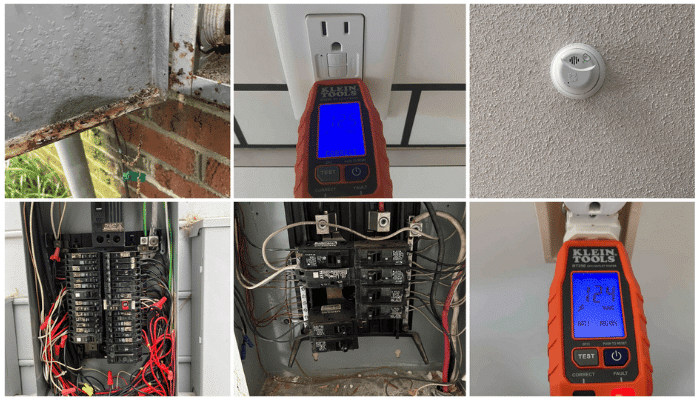
We recently worked on a home inspection repair in Angier involving a late-1990s home where several GFCI outlets no longer provided proper protection when tested. The home also had damaged outdoor covers, improperly protected exterior wiring, and breakers installed that were not listed for the panel.
What originally looked like a fairly small inspection repair turned into multiple electrical corrections once the system was properly evaluated. Most of the issues traced back to years of handyman repairs and partial upgrades completed over time.
2. Smoke & Carbon Monoxide Detectors That Are Outdated or Installed Incorrectly
This is another issue that shows up constantly during inspections.
Many older homes throughout the Triangle only have smoke detectors located in hallways outside bedrooms because that was common when those homes were originally built. Newer standards require additional protection throughout the home, including inside bedrooms and interconnected alarms that communicate together.
Some of the most common issues we find include:
- Expired smoke detectors
- Missing carbon monoxide detectors
- Dead backup batteries
- Disconnected alarms
- Smoke detectors that no longer communicate properly
One thing many homeowners do not realize is that smoke detectors have expiration dates. Just because a detector still chirps or lights up does not necessarily mean it will function properly during an emergency.
This is one of the easier inspection items to address ahead of time, but it is still commonly overlooked in both older homes and renovated properties.
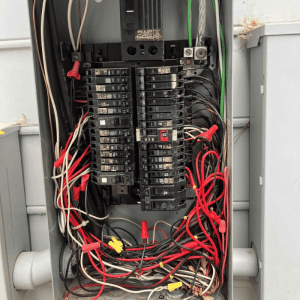
3. Electrical Panel Problems & Double-Tapped Breakers
Electrical panels are one of the biggest things buyers overlook during a walkthrough because most people simply do not know what they are looking at.
Fresh paint and updated countertops usually get attention first. A corroded electrical panel usually does not.
But many times, the electrical panel tells the real story of how the home has been maintained over the years.
Some of the most common electrical panel issues found during inspections include:
- Double-tapped breakers
- Double-tapped neutrals
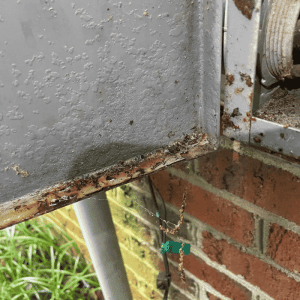
- Corrosion
- Overheated bus bars
- Missing knockout seals
- Overcrowded wiring
- Breakers not listed for the panel
- Signs of moisture intrusion
A messy electrical panel is often a sign that multiple people have modified the system over many years without any long-term plan.
Certain older panel brands also continue raising concerns during inspections, especially:
- Federal Pacific
- Zinsco
- Challenger
Even standard electrical panels around the 30-year mark often begin showing signs of age and deterioration if they have not been maintained properly.
One common pattern we see in older Raleigh-area homes is electrical panels that technically still function, but internally show corrosion, damaged bus bars, weak breaker connections, or signs of overheating once the panel is opened and evaluated more closely.
Most homeowners never realize those issues exist until the house goes under contract and someone finally takes a closer look.
4. DIY Wiring and Unsafe Electrical Work
This is probably the category that creates the most hidden electrical problems.
We regularly find unsafe electrical work in:
- Attics
- Crawl spaces
- Garages
- Additions
- Outdoor wiring
- Sheds
A lot of these issues come from years of homeowners trying to save money by hiring unlicensed contractors or attempting repairs themselves.
Some of the most common problems include:
- Open splices
- Uncovered junction boxes
- Exposed wiring
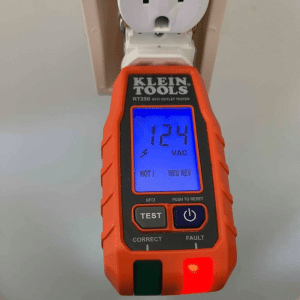
- Improperly grounded outlets
- Reverse polarity
- Loose outlets and switches
- Overloaded circuits
- Wiring without proper protection
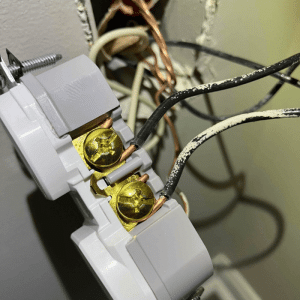
Some of these issues may seem relatively minor during an inspection, but they often point toward larger concerns hidden behind walls or above ceilings. One thing buyers should especially be careful about is heavily renovated flip homes. Fresh paint and updated fixtures do not necessarily mean the electrical work behind the walls was completed correctly.
We regularly see homes where the cosmetic finishes look excellent, but the attic wiring or electrical panel tells a completely different story. Recently, we found open splices buried under insulation and improperly installed junction boxes in a remodeled home where most buyers would have never known there was an issue without a deeper electrical evaluation.
A cosmetic remodel does not always mean the electrical system was updated properly.
5. Older Homes Usually Have More Electrical Findings
If you are buying or selling an older home, it is very common to see more electrical concerns appear on the inspection report.
Homes built before 1990 commonly lack:
- Modern grounding systems
- GFCI protection
- AFCI protection
- Interconnected smoke detectors
- Properly sized circuits for today’s electrical demand
In many cases, these homes have also had decades of additions and modifications layered onto the original electrical system.
Another challenge is that modern homes use significantly more electricity than homes built decades ago were originally designed to handle.
Today’s homes commonly include:
- Larger HVAC systems
- Home offices
- Gaming systems
- Smart home technology
- EV chargers
- Larger kitchen appliances
- Whole-home surge protection systems
Older electrical systems were simply not designed around those types of electrical loads.
That does not automatically mean older homes are unsafe, but buyers should understand that electrical upgrades are often part of owning and maintaining an older property.
6. Grounding and Bonding Problems
Grounding and bonding issues are another common inspection finding that many homeowners have never heard of until they appear on an inspection report.
Some of the more common issues include:
- Improperly grounded outlets
- Reverse polarity
- Missing bonding connections
- Loose electrical devices
- Improperly wired switches
One issue that has become more common involves CSST gas piping systems not being bonded correctly.
We recently worked on a home in Fuquay-Varina built around 2010 where the gas piping had never been bonded properly. Because the home was built on a slab and the gas meter was located on the opposite side of the house from the electrical panel, a bonding wire had to be run around much of the home.
What originally looked like a fairly small inspection item turned into a much larger repair once everything was properly evaluated. Situations like that are why waiting until the last minute during due diligence can create unnecessary stress for both buyers and sellers.
What Buyers, Sellers, and Realtors Should Really Pay Attention To
Some electrical findings are relatively minor and straightforward to repair. Others can point toward much larger concerns with the overall condition of the electrical system.
Generally speaking, buyers should pay much closer attention to:
- Corroded electrical panels
- Signs of overheating
- Unsafe wiring
- Outdated equipment
- Moisture intrusion
- Signs of DIY electrical work
- Multiple recurring electrical issues throughout the home
Those are usually bigger warning signs than a single non-working outlet or missing cover plate.
One thing that surprises many buyers is that home inspectors are not licensed electricians. Most home inspections are visual inspections only.
Many electrical problems cannot be fully identified without:
- Opening electrical panels
- Testing safety devices
- Tracing wiring
- Evaluating grounding systems
- Checking electrical loads
That is why some issues do not fully appear until a licensed electrician performs a deeper evaluation.
Get Ahead of Electrical Issues Before Closing to Avoid Surprises
A lot of electrical problems found during home inspections are preventable with proper maintenance and professional electrical work over the years. The challenge is that many of these issues stay hidden until a home goes under contract and someone finally takes a closer look.
Whether you are buying, selling, or living in an older home, scheduling an electrical safety inspection is one of the best ways to understand the condition of the system before it becomes a costly or stressful surprise.
At Dawson’s Electric & Air, we help homeowners throughout Raleigh, Fuquay-Varina, Holly Springs, Apex, Garner, Angier, and surrounding areas identify electrical concerns before they become bigger problems.
A professional electrical safety inspection can help uncover:
- Outdated electrical panels
- Unsafe wiring
- Improper grounding
- Overloaded circuits
- Failing safety devices
- Hidden electrical hazards
Addressing these issues proactively can improve safety, reduce delays during the home sale process, and give buyers and sellers more confidence moving forward.
If you are preparing to buy or sell a home in the Raleigh area, Dawson’s Electric & Air is here to help. Call 919-887-8284 to schedule your electrical safety inspection today.