


Professional Ceiling Fan Installation For Your Raleigh Home
A good ceiling fan can make a real difference in your comfort year-round while also helping you save on energy costs. Whether you're replacing an old ceiling fan that's worn out, upgrading to a modern fan with better airflow and style, or installing a fan in a room that's never had one before, Dawson's Electric & Air is here to help.
We believe in doing honest work that keeps your home comfortable, and we'll make sure your new fan is installed safely and securely so it runs smoothly for years to come.
If you're ready to install a ceiling fan, give us a call at 919-887-8284 or reach out online.
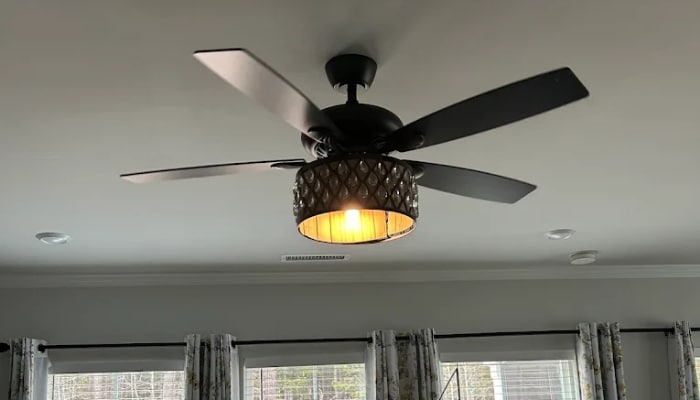
What Size Ceiling Fan Do I Need For My Room?
Getting the right size ceiling fan is crucial for proper airflow and efficiency, and the size depends primarily on your room's square footage. Here's how to choose the right fan:
- Small Rooms (Up to 75 Square Feet): Rooms like small bathrooms, breakfast nooks, or walk-in closets need fans with blade spans of 29 to 36 inches. These compact fans provide adequate airflow without overwhelming the space and work well in areas with lower ceilings.
- Medium Rooms (76 to 144 Square Feet): Standard bedrooms, home offices, and smaller living rooms work best with fans that have blade spans of 36 to 42 inches. This is the most common fan size and provides good air circulation for typical residential rooms.
- Large Rooms (144 to 225 Square Feet): Larger bedrooms, family rooms, and dining rooms need fans with blade spans of 44 to 50 inches to move enough air throughout the space. These fans typically have more powerful motors to handle the larger blade size.
- Extra Large Rooms (Over 225 Square Feet): Great rooms, large master suites, and open-concept spaces require fans with blade spans of 52 inches or larger. Some very large spaces might even benefit from multiple ceiling fans to ensure adequate air circulation throughout the entire area.
- Consider Ceiling Height Too: The distance between your fan blades and the ceiling affects performance, with the ideal being 8 to 10 inches of clearance. For ceilings higher than 9 feet, you'll need a downrod to lower the fan to the optimal height, while rooms with 8-foot ceilings work best with low-profile or hugger-style fans that mount directly to the ceiling.
Now that you know the size, are you ready to start your install? Give us a call at 919-887-8284 today!
Ceiling Fan Installation FAQs
Yes, we strongly recommend hiring a licensed electrician for ceiling fan installation. The job requires replacing the electrical box with a fan-rated box, proper wiring connections, secure mounting to ceiling joists, and ensuring everything meets electrical codes. Improper installation can create safety hazards, including the fan falling or electrical fires.
Installing a ceiling fan involves turning off power, replacing the electrical box with a fan-rated box, mounting the bracket to a ceiling joist, connecting the wiring properly, attaching the fan motor, installing the blades, and balancing the fan. This requires electrical knowledge, proper tools, and physical ability to work safely on a ladder.
Installing a ceiling fan where wiring already exists typically costs $200 to $400 for labor and materials, depending on ceiling height and fan complexity. This includes replacing the electrical box with a fan-rated box, proper mounting, wiring connections, and balancing. Fans with lights or remote controls may cost slightly more to install.
Can You Install A Ceiling Fan Where A Light Fixture Currently Exists?
Yes, we install ceiling fans in place of existing light fixtures all the time, but there are some important requirements that need to be met first. Here's what's involved:
- The Electrical Box Must Be Fan-Rated: Standard light fixture boxes are not designed to support the weight and vibration of a ceiling fan, which can weigh 50 pounds or more. The existing box needs to be replaced with a fan-rated electrical box that's securely attached to a ceiling joist or blocking between joists.
- Wiring Is Usually Already In Place: Since the location already has a light fixture, the electrical wiring is typically already run to that spot, which makes installation much simpler than adding a fan to a location with no existing wiring. We'll connect the fan's wiring to the existing house wiring following proper electrical code.
- You Can Keep The Lighting: Most ceiling fans come with integrated light kits or have the option to add one, so you don't lose your overhead lighting when you install a fan. Some fans even have separate controls for the fan and light, giving you complete control over both functions.
- Mounting Height Matters For Comfort & Safety: For optimal performance and safety, ceiling fan blades should hang 7 to 9 feet above the floor and at least 18 inches away from walls. If your current fixture is mounted in a location that doesn't meet these requirements, we can discuss alternative placement options.
- Professional Installation Ensures Safety: Improper installation can result in wobbling, noise, or even the fan detaching from the ceiling, which is dangerous. We make sure the mounting bracket is secure, the wiring is correct, the fan is properly balanced, and everything meets electrical code requirements for your safety and peace of mind.
Trust Us For Expert Ceiling Fan Installation
At Dawson's Electric & Air, we've been helping Raleigh homeowners with ceiling fan installations and replacements since 2005. Whether you need a fan installed in a new location, want to replace an old worn-out fan, or are upgrading to a modern energy-efficient model, we're here to help with honest, straightforward service.
Give us a call at 919-887-8284 or reach out online to schedule your ceiling fan installation today.