

Upgraded Warmth For Your Raleigh Home
Dawson's Electric & Air has been installing heating systems around Raleigh since 2005, and we understand that homeowners today have more heating options than ever before, from traditional gas furnaces to heat pumps and hybrid systems. Whether you're replacing an old inefficient furnace, upgrading to a more energy-efficient system, or adding heat to a home that's never had it, we'll help you choose the right heating solution for your home, climate, and budget.
If you're ready to install a new heating system, give us a call at 919-887-8284 or reach out online.
What Type Of Heating System Is Right For My Home?
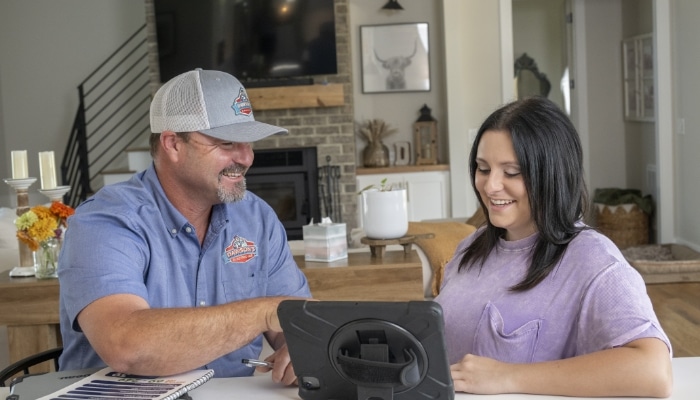
Choosing between gas furnaces, heat pumps, and other options depends on several factors unique to your home and situation. Here's what to consider:
- Gas Furnaces Generate Heat By Burning Fuel: Traditional gas furnaces burn natural gas or propane to create heat, then blow that heated air through your ductwork. They're reliable, provide consistent warmth even in extremely cold weather, and have lower upfront costs than most other heating options. If you already have gas service to your home, a gas furnace is typically the most straightforward heating solution.
- Heat Pumps Move Heat Instead Of Creating It: Heat pumps work like air conditioners in reverse, extracting heat from outdoor air and moving it inside your home. They're extremely efficient in mild to moderate climates and provide both heating and cooling with one system. Modern cold-climate heat pumps work effectively down to temperatures well below freezing, making them viable for North Carolina winters.
- Dual-Fuel Systems Combine Both Technologies: These hybrid systems pair a heat pump with a gas furnace, using the efficient heat pump for most heating needs and automatically switching to the gas furnace when temperatures drop below a certain point. This gives you maximum efficiency in moderate weather and reliable heat in extreme cold without relying solely on expensive electric resistance heat.
- Your Home's Existing Infrastructure Matters: If you already have ductwork and gas service, replacing a furnace with a similar system is typically less expensive than switching fuel types or adding ductwork. Homes without ducts are better candidates for ductless mini splits, while homes with electric heat might benefit most from switching to a heat pump.
- Long-Term Operating Costs Should Factor In: Heat pumps typically cost less to operate than electric resistance heat and can be cheaper to run than gas in moderate weather, but gas furnaces usually cost less to operate during very cold weather. Consider your local utility rates, typical winter temperatures, and how long you plan to stay in your home when evaluating the total cost of ownership.
How Do I Know What Size Heating System I Need?
Proper sizing is absolutely critical for heating system performance, efficiency, and longevity, and the stakes are just as high as with air conditioning. Here's what determines the right size:
- Manual J Load Calculations Provide Accurate Sizing: Professional HVAC contractors use industry-standard Manual J calculations to determine exactly how much heating capacity your home needs. These calculations consider square footage, ceiling height, insulation levels, window quality and placement, air leakage, local climate data, and ductwork condition to recommend the properly sized system.
- Your Home's Insulation Affects Heating Needs: A well-insulated home with modern windows requires significantly less heating capacity than a poorly insulated home of the same size. Before sizing a new heating system, we evaluate your insulation and may recommend improvements that let you install a smaller, more efficient system that costs less to operate.
- Undersized Systems Run Constantly In Cold Weather: A heating system that's too small for your home will run continuously during cold snaps, trying to maintain temperature but never quite keeping up. This leads to uncomfortable cold spots, high energy bills from constant operation, and excessive wear on equipment that shortens its lifespan.
- Oversized Systems Short-Cycle And Waste Energy: When a heating system is too large, it heats the house quickly, then shuts off before completing a full heating cycle. This short-cycling prevents proper dehumidification in summer if it's a heat pump, wastes energy on frequent startups, causes uncomfortable temperature swings, and actually wears out components faster despite less total run time.
- We Never Just Match Your Old System's Size: Many older heating systems were oversized when originally installed, and homes often have better insulation now than they did decades ago. We always perform fresh load calculations rather than assuming your old system was sized correctly, which often allows us to install a smaller, more efficient unit.
When you need a new heating system installed, you need Dawson's Electric & Air. Call today!
Heating Installation FAQs
Gas furnace installation typically costs $3,500 to $6,000 for mid-efficiency models and $5,000 to $8,000 for high-efficiency systems, assuming existing ductwork and gas service. Heat pump installation ranges from $5,000 to $10,000 depending on system size and efficiency. Costs vary based on equipment efficiency, system size, ductwork condition, and installation complexity. We provide detailed written estimates before starting any work.
In the Raleigh area, both furnaces and heat pumps work well. Heat pumps are extremely efficient in our mild winters and provide both heating and cooling, making them cost-effective if you need to replace both systems. Gas furnaces have lower operating costs during very cold weather and work reliably at any temperature. Dual-fuel systems give you the best of both worlds. We'll help you evaluate your specific situation to determine the best choice.
With proper annual maintenance, gas furnaces typically last 15 to 20 years, and heat pumps last 12 to 15 years. Installation quality, system sizing, usage patterns, and maintenance history all affect lifespan significantly. Regular professional maintenance is essential for achieving these lifespans and keeping your equipment running efficiently throughout its life.
What's Involved In Professional Heating Installation?
Understanding the installation process helps you know what to expect and why professional installation matters so much. Here's what we do:
- In-Home Assessment & System Selection: Before installation day, we visit your home to verify load calculations and system sizing, evaluate your existing ductwork condition if applicable, check your electrical service capacity, determine the best location for equipment, identify any modifications or upgrades needed, and help you choose the right system for your needs and budget.
- Removing Your Old Heating System: If you're replacing existing equipment, we safely disconnect gas lines and electrical connections, remove the old furnace or heat pump components, inspect and clean the area where new equipment will go, haul away your old system for proper disposal or recycling, and verify that existing ductwork is in good condition or recommend repairs.
- Installing The New Equipment: We set the new furnace or air handler in place with proper clearances, connect gas lines with pressure testing for furnaces, run or verify refrigerant lines for heat pumps, make all electrical connections and install proper disconnects and safety controls, connect the system to existing ductwork or install new duct runs if needed, and set up proper venting for combustion exhaust on gas systems.
- System Startup, Testing & Commissioning: After everything is connected, we test all gas connections for leaks on furnace installations, charge heat pump systems with the correct refrigerant amount, verify proper airflow and temperature rise across the heat exchanger, test all safety controls and limit switches, ensure the thermostat communicates properly with the equipment, and run the system through multiple heating cycles to verify performance.
- Customer Education & Documentation: Before we leave, we walk you through how to operate your new system and thermostat, explain where filters are located and how often to change them, review warranty coverage and registration requirements, provide maintenance recommendations to keep your system running efficiently, and answer all your questions about your new heating system.
How Long Does Heating Installation Take & What Should I Prepare For?
Knowing what to expect on installation day helps everything run smoothly and prevents surprises. Here's the typical process:
- Standard Installations Take 4 To 8 Hours: A straightforward furnace replacement with existing ductwork and gas lines typically takes four to eight hours from start to finish. This includes removing old equipment, installing the new system, making all connections, testing everything thoroughly, and explaining the operation to you.
- Complex Installations Require More Time: If we're installing a heat pump with a new air handler, upgrading electrical service, installing or extensively modifying ductwork, switching fuel types from electric to gas, or dealing with difficult equipment access, installation may take one to two full days. We provide realistic timelines during your estimate so you know what to expect.
- Clear Work Areas Before We Arrive: Make sure we have clear access to your existing heating equipment and the installation area, remove items stored near the furnace or in the mechanical room, move vehicles away from where we'll be working outside for heat pumps, secure pets in a safe area away from work zones, and let us know about any access concerns or obstacles we should be aware of.
- Plan For Temporary Heat Loss: Your existing heating system will be disconnected during installation, so plan accordingly if installation happens during cold weather. Most installations are completed in a single day, but if your installation requires two days, we'll discuss options for temporary heat if needed.
- Expect Some Noise & Disruption: Heating installation involves power tools, equipment moving, and technicians working in your mechanical spaces. If you work from home or have specific quiet time needs, you may want to plan accordingly, though we work efficiently to minimize disruption to your household.
Call Dawson's Electric & Air For A Toasty Home
For over 20 years, Raleigh homeowners have trusted Dawson's Electric & Air for professional heating installation that's done right from start to finish. We take the time to properly size your system for your home's specific needs, install it according to manufacturer specifications and local codes, and make sure you understand how to operate and maintain it for years of reliable warmth. Ready to upgrade your heating system? Call us at 919-887-8284 or reach out online to schedule your installation consultation.